

You Should Know This By Now
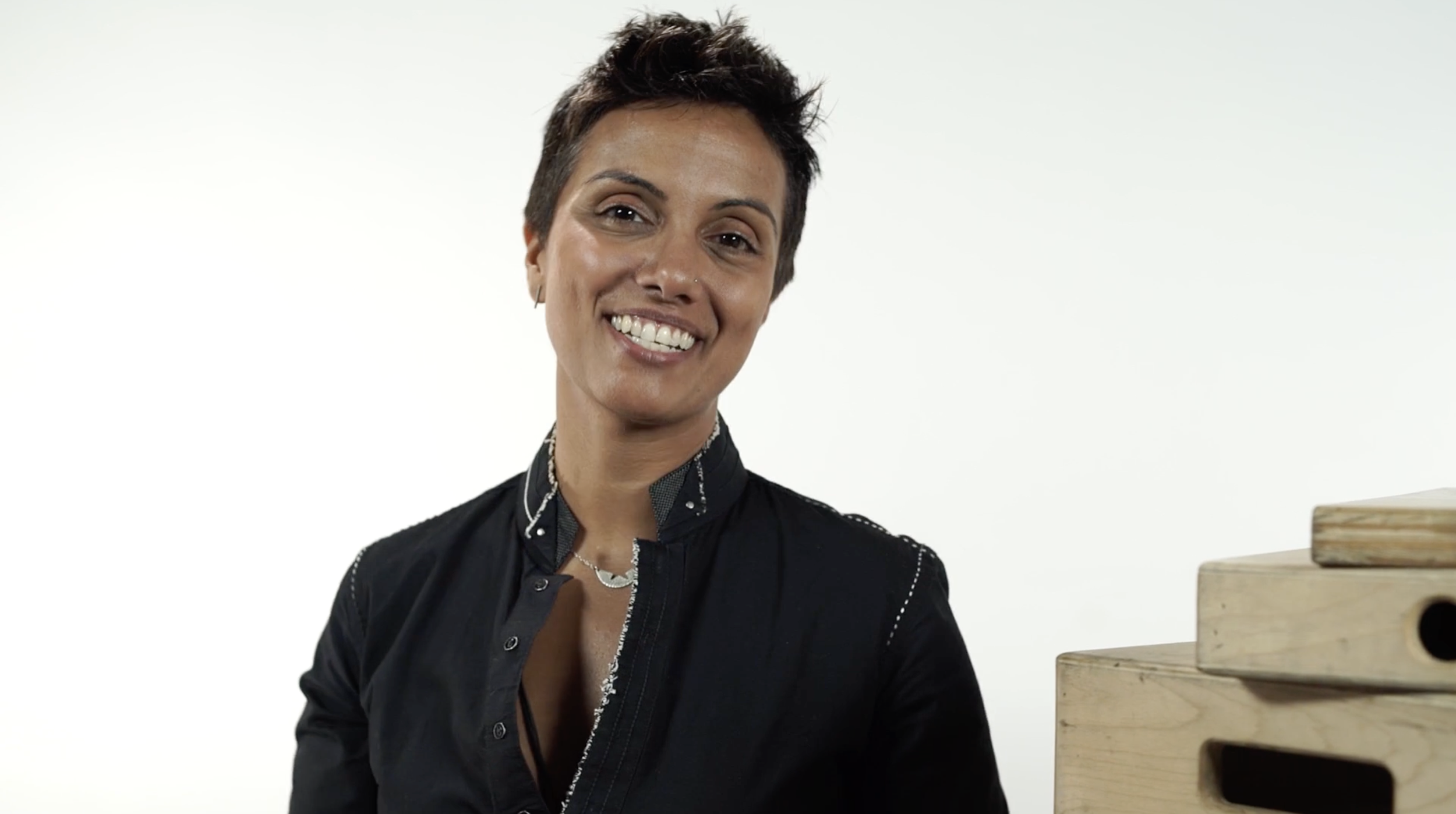
You Should Know This By Now (2017)
Created by: Fawzia Mirza
Fawzia Mirza had been named a “Champion of Change” under the administration of President Barack Obama. It was quite the honor for the writer, actor, and soon-to-be director who had been producing theater and indie TV for years. Fawzia gathered a crew of Asian American and Pacific Islander actors, writers, comedians and director to film a series of funny public service announcements (PSAs) educating people on the basics of building community with AAPI people.
Releasing in 2017 after the election of President Donald Trump, the vibe had shifted.
“This year the White House is being run differently. This year, being Asian is actually a pre-existing conduction to not being invited back to the White House,” Fawzia says in the opening PSA.
Throughout the series we see notable stars like Parvesh Cheena, Atsuko Okatsuka, Vincent Rodriguez, and DLo challenge stereotypes and offer lessons in etiquette. The PSAs are biting, no more than 45 seconds.
“Sometimes people say to me, ‘you have a nice tan,’” Parvesh Cheena says, “thank you it’s my face.”
“Because I’m brown.”
Each ends with a title card remixing the iconic NBC’s “The More You Know” PSA series, with the cutting “You Should Know this By Now.”
At OTV we played the PSAs in between screenings of Puja Mohindra’s Geeta’s Guide to Moving On, serving as culturally specific commercials between episodes of her Indian American-led anti-romantic comedy that offers helpful information for anyone in our community new to Asian American representation. At the time, few Asian Americans led films and series in Hollywood.
Fawzia would quickly go on to substantially challenge the invisibility of AAPI representation, becoming one of the country’s leading directors of South Asian narratives, including her first feature Signature Move (dir. Jennifer Reeder) and her stunning directorial debut in the time- and globe-spanning The Queen of My Dreams.
You Should This By Now offers a light and comedic perspective on how reparative media does not need big budgets and narratives to effectively communicate healing messages!