

Born and Raised
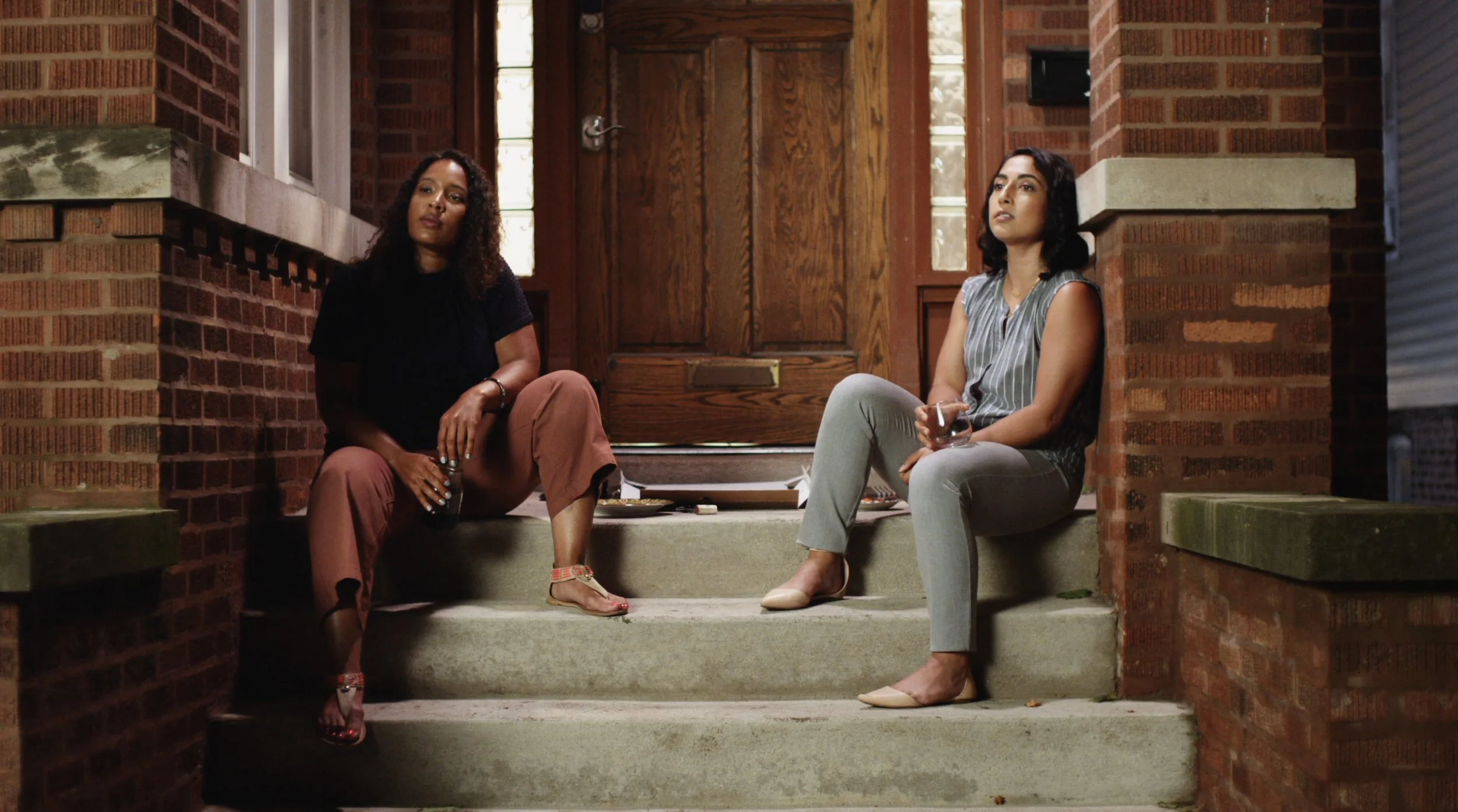
Born and Raised (2021)
Created, written, and directed by: Christian Mejía
Gentrification is a tricky process to represent. It happens behind the scenes, in city council meetings and permitting proceedings, in banks and homes far outside the neighborhoods affected. Slowly over time, neighborhoods transform. Residents are displaced. Businesses close. Race, ethnicity, and class collide to result in something resembling the colonization of cities at home.
Born and raised in Chicago’s historically Latiné community of Logan Square, Christian Mejía tackles this tricky issue in Born and Raised, about a neighborhood that has lost tens of thousands of its original residents to become one of the most expensive places to live in Chicago. Beautifully filmed to highlight the neighborhood’s color and diversity, the series is one of OTV’s most locally rooted productions.
“Trying to capture that pain and disappointment visually on film is super tricky and difficult. That’s the territory we wanted to explore in this series,” Mejía told Block Club Chicago. “There’s something particularly painful about living somewhere for so long and then having to leave the place and then returning to see it sold for some inflated price and feeling like you never really had a chance to be a part of that sort of wealth building,”
The series tackles gentrification prismatically, showcasing different characters with different perspectives on the neighborhood. The first two episodes make the ideological tensions clear with narratives of characters who diverge in their opinions on neighborhood transformation. In episode one, two friends reunite after one has been away at school. The returning friend likes the new businesses, but the one who stayed is completely opposed–even if he will accompany her to a new restaurant for an overpriced margherita. In episode two, an alderman (played by activist and playwright Kristiana Rae Colón) and a commercial real estate developer debate the value of demolishing an existing building for a new one.
“I think people prefer coffee shops to drive bys,” the developer tells the alderwoman. “I’m concerned that being perceived as anti-progress will be damaging to your career.”
The exchange exposes how gentrification happens. Politicians who are accountable to their communities are also accountable to themselves for raising money for elections.
Lest the viewer think the series is too on-the-nose politically – though these stories are rendered with a touching humanity that defies accusations of preaching politics – the third episode presents a vision of the neighborhood at its best: people in community coming together to support each in mundane ways.
“One thing I’ve heard from folks who have watched it: While this is a series on the gentrification of a neighborhood, it’s really much more than that. It’s a series about these residents and how they’re much more than the gentrification of their neighborhoods. They have their own storylines, full lives,” Mejía said.