

The Haven
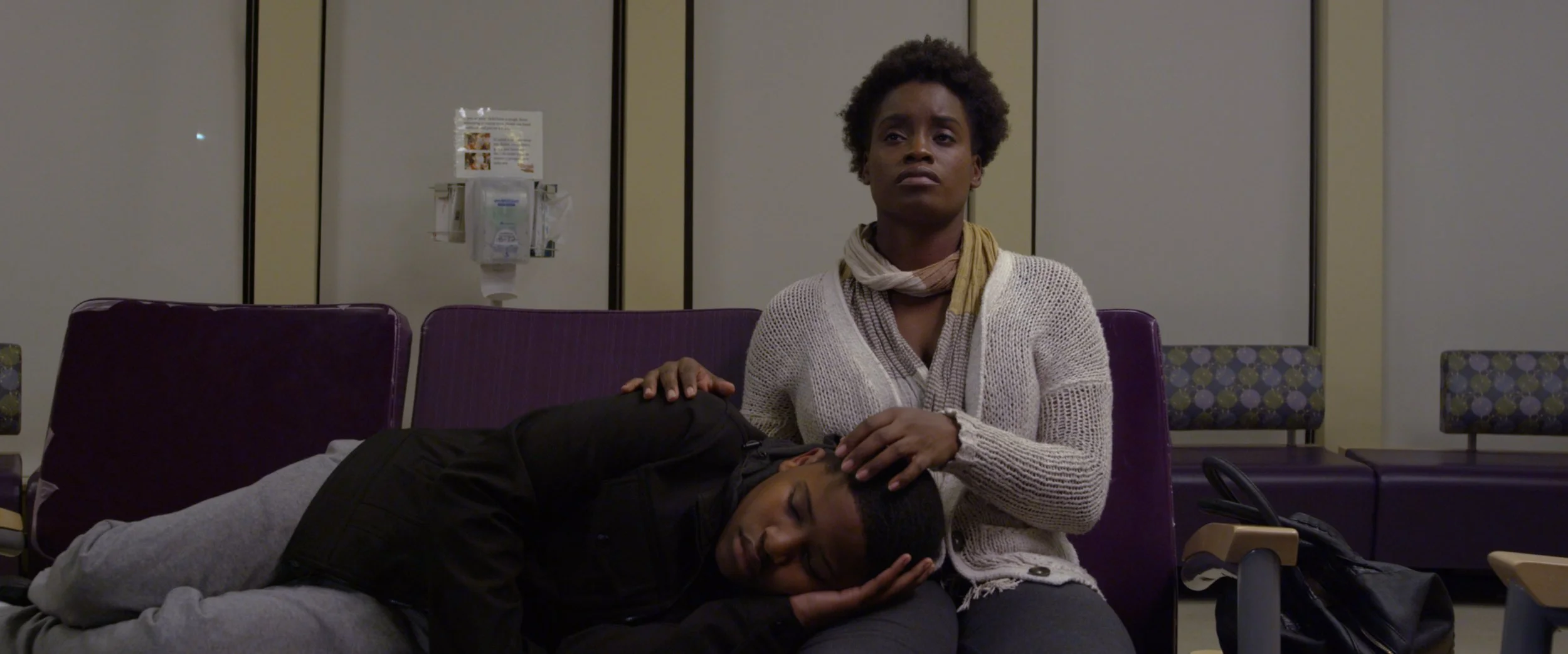
The Haven (2019)
Created and written by: Mia McCullough
Who supports women when they need support? Our systems are not designed for this, and our media rarely represents the hard work of healing the multiple interlocking systems of oppression that causes women to seek refuge outside the home: domestic violence, drug addiction, mental health crises, and more.
The Haven dramatizes the work of women who support women and are often in need of support themselves. The series begins with a swirl of activity as Pamela (Kimberly Michelle Vaughn) starts working at The Haven, a shelter for women in transition. They have only a few months to stay, so the energy is consistently intense. Pamela enters the shelter trying to figure out the rules, norms, and needs, which are many. But she herself also needs support, as she lives with her sister Deanna who appears to have her own issues as well.
What sets The Haven apart is not only its milieu, but its sensitivity to each character, despite a sprawling cast. With every line uttered we get a glimpse into a world, even if there isn’t screentime to focus on everyone. When the series peels back the curtain, we see the range of complex situations that bring women to the Haven. In the first episode we meet Briana (Aneisa Hicks) who is leaving her partner because his post-combat PTSD has made him violent. We meet Fae (Sydney Charles), who has trouble sleeping at night due to voices in her head, but who also does braids for other residents. We learn that residents have kids to attend to and night jobs to work.
Watching The Haven and one is immediately struck by why such a series has never been created before. Television is awash in dramas about traumatic places with professional healers: think of the enduring medical drama that dates back decades from Marcus Welby MD to Grey’s Anatomy, or the narratives of systems failing to “rehabilitate” the most oppressed like Oz or The Wire. Yet because the drama in women’s shelters focus on less sensational harms–less blood and more invisible disabilities–and focus on women versus men, this space seems less marketable by the major corporate studios.
But The Haven proves how much drama, both gripping and intimate, is available when we center the lives of those our society too often neglects. It is a rich portrait of lives impacted by violence, war, death, substance abuse, psychosis, sex, love, and poverty, which avoids reducing its characters to their trauma and centers their bravery in seeking fuller, more stable lives.