

Symbiotic
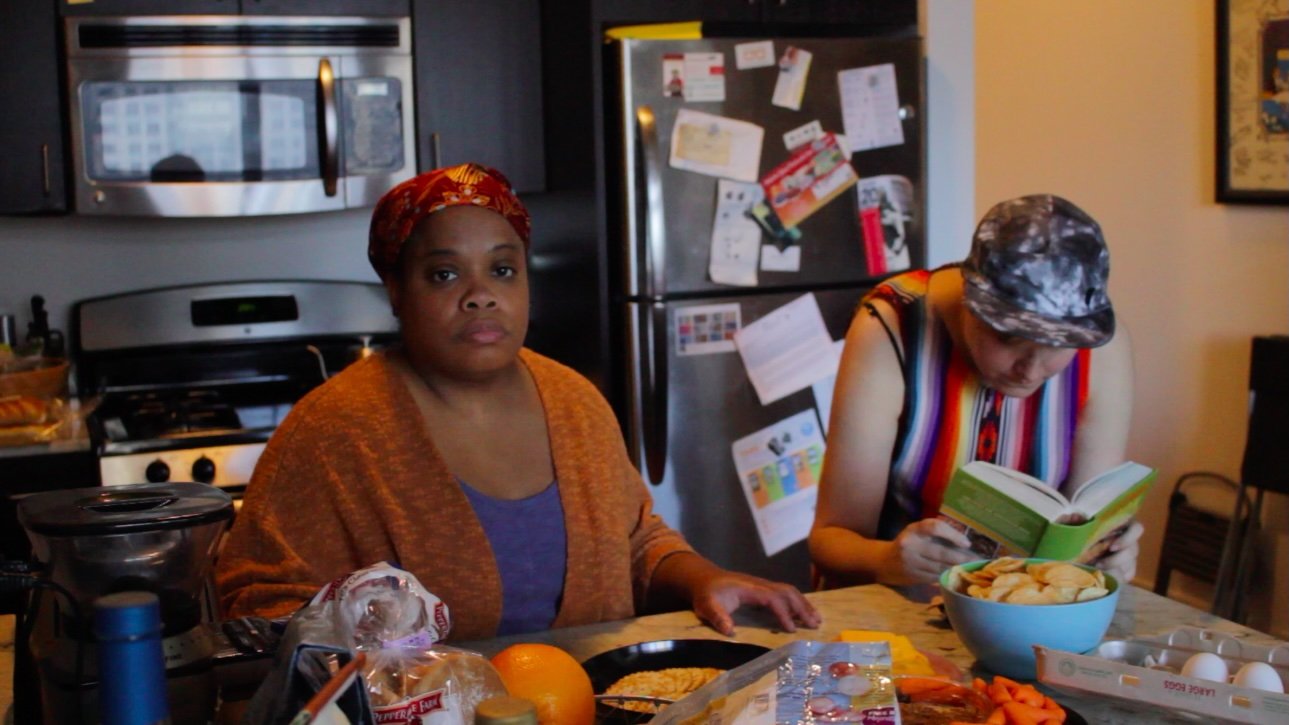
Symbiotic (2018)
Created by: Rachel Greenhoe
The so-called “model minority” plagues U.S. media representations, from classic film to social media. Whether we see perfectly respectable Black people or cartoonishly subservient Asian Americans, the media perpetuate ideal minoritized people who sacrifice their own complexity, wildness, and desires for acceptance by those in power.
While it is common to discuss model minorities with respect to race and even gender or sexuality, we are less comfortable discussing this dynamic when it comes to people with disabilities, both visible and invisible. Yet most media representations of disabled people position them as near-perfect individuals. This places an incredible burden on real disabled people, who must navigate social expectations of perfection while also grappling with their disabilities.
Symbiotic creator Rachel Greenhoe, who has both invisible and visible disabilities, was fed up with this dynamic as she started to write her first series as an MFA student at Northwestern.
“Disabled people always have to play nice…When’s the last time you saw a disabled person allowed to be dumb?” she told me. Rachel’s goal as an artist is “creating content that’s radically for ourselves.”
Symbiotic follows Maggie, who has ADHD, dyslexia, and “a bunch of muscular things,” and her girlfriend Tara, who has autism, as they embark on living together for the first time. Throughout their journey, they grapple with everyday and culturally specific struggles, while also annoying each other and their friends.
Maggie does everything from showing her bra to her friends and selling her friends drugs and then proposing to write about it for Buzzfeed while Tara struggles to read the room.
At one point Tara sends Maggie off before she has a tough meeting by saying: “Don’t do anything illegal!”
To which Maggie responds: “Probably.”
The series has the scrappy charm of a mockumentary, as if the audience is peering into the private lives of two very complex yet relatable people. It’s both heartwarming and enlivening, making us feel that perhaps so many representations of disabled folk have been sanitized and made boring in ways that deprived the community of the fullness of its humanity.