

Hook Ups
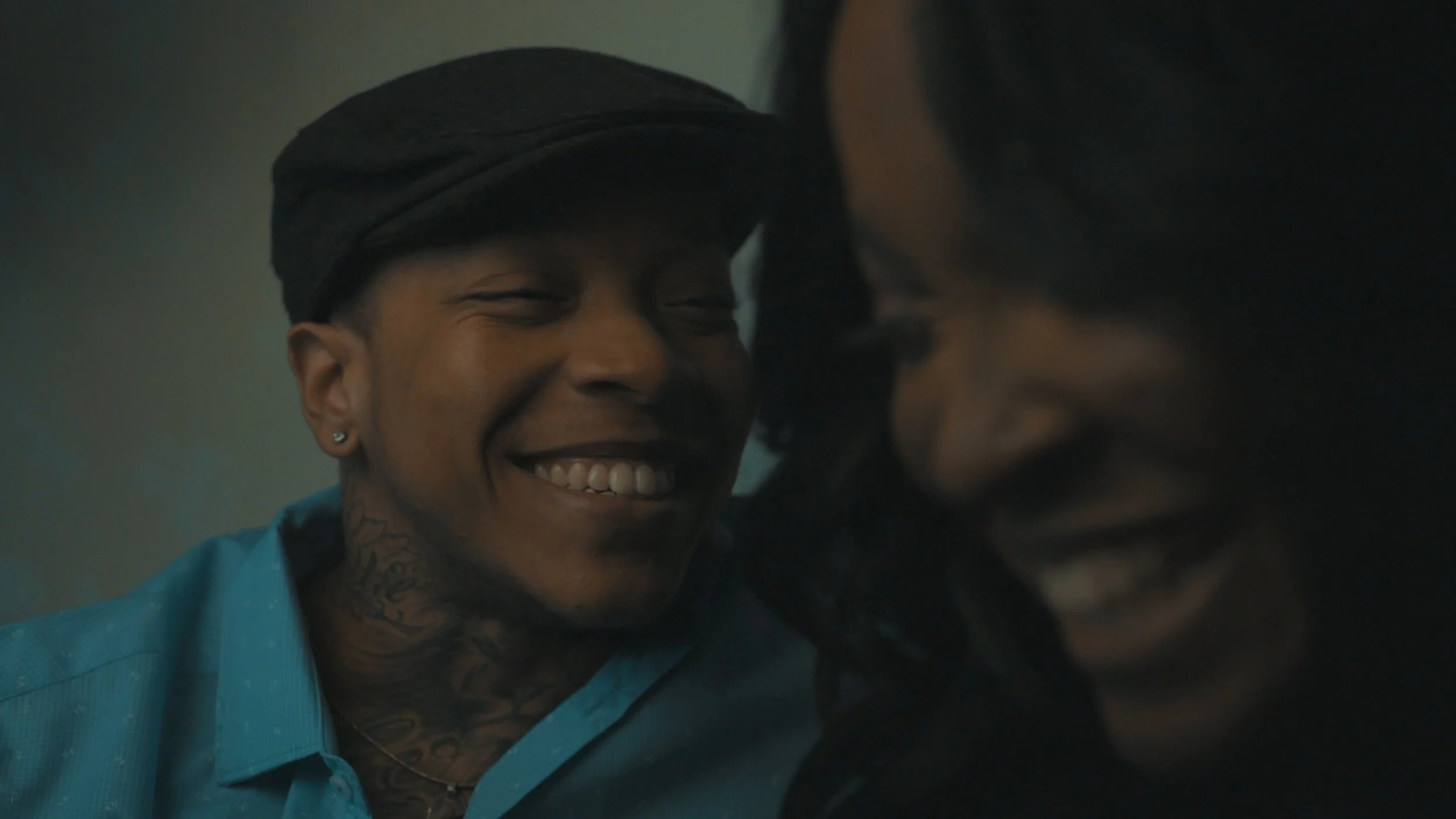
Hook Ups (2018)
Written, directed and produced by: Arnetta Randall
Most Black TV shows have been about family, but Hook Ups gives us a series about Black families we have never seen before.
Too often, TV networks and platforms fear that Black shows are “niche” and won’t get enough viewers, so most shows about Black families center heteronormativity: husband, wife, and kids. Though many families share these identities, many others do not. The limited representations of Black family alienates anyone who identifies differently and limits the imagination of those who fit the mold. We rarely see Black single mothers, queer couples, polyamory and so much more.
In less than 10-minute episodes, Arnetta Randall gives us all that and more, in a hilarious package.
“I was wanting to see couples that I didn’t really get to see on TV,” she told me. “It was me just wanting to explore issues and make it lighthearted at the same time.”
She definitely achieves that lighthearted tone, as I saw when Hook Ups screened to a mostly Black audience in the historic Dorchester Projects, an artist-centered living and exhibition space created by Theaster Gates and the Rebuild Foundation.
The series opens with a hilarious line we rarely if ever hear:
“Never thought I’d see the day where my mother had a walk of shame,” daughter Jody says.
After some cutting words are exchanged, they sit down to have a nice breakfast. They ask about the date. “I can’t talk about stuff like that with you guys. You’re my babies,” mom says.
But she relents and recounts what is a very wholesome, soulful date she had…with a woman. Our matriarch is a divorceé and bisexual woman who was married for 20 years to what her stud date calls a “Ben Carson knockoff,” referencing the conservative Black politician. They share their previous experiences with long-term relationships and coming out.
The episode ends back at the breakfast table with mom, Jody and her brother Reese, and the next episode begins with Jody in bed with another woman.
This introduces Hook Ups innovative strategy: every episode stars a character introduced in the previous one.
Plot twists are introduced and identities mix up: most episodes feature same-sex or queer relationships including pansexual and trans leads.
In all, Hook Ups does more than heal historically circumscribed representations of the Black family. It paints a rich and complex portrait of the Black community, united by our love for each other, however different we may be.